

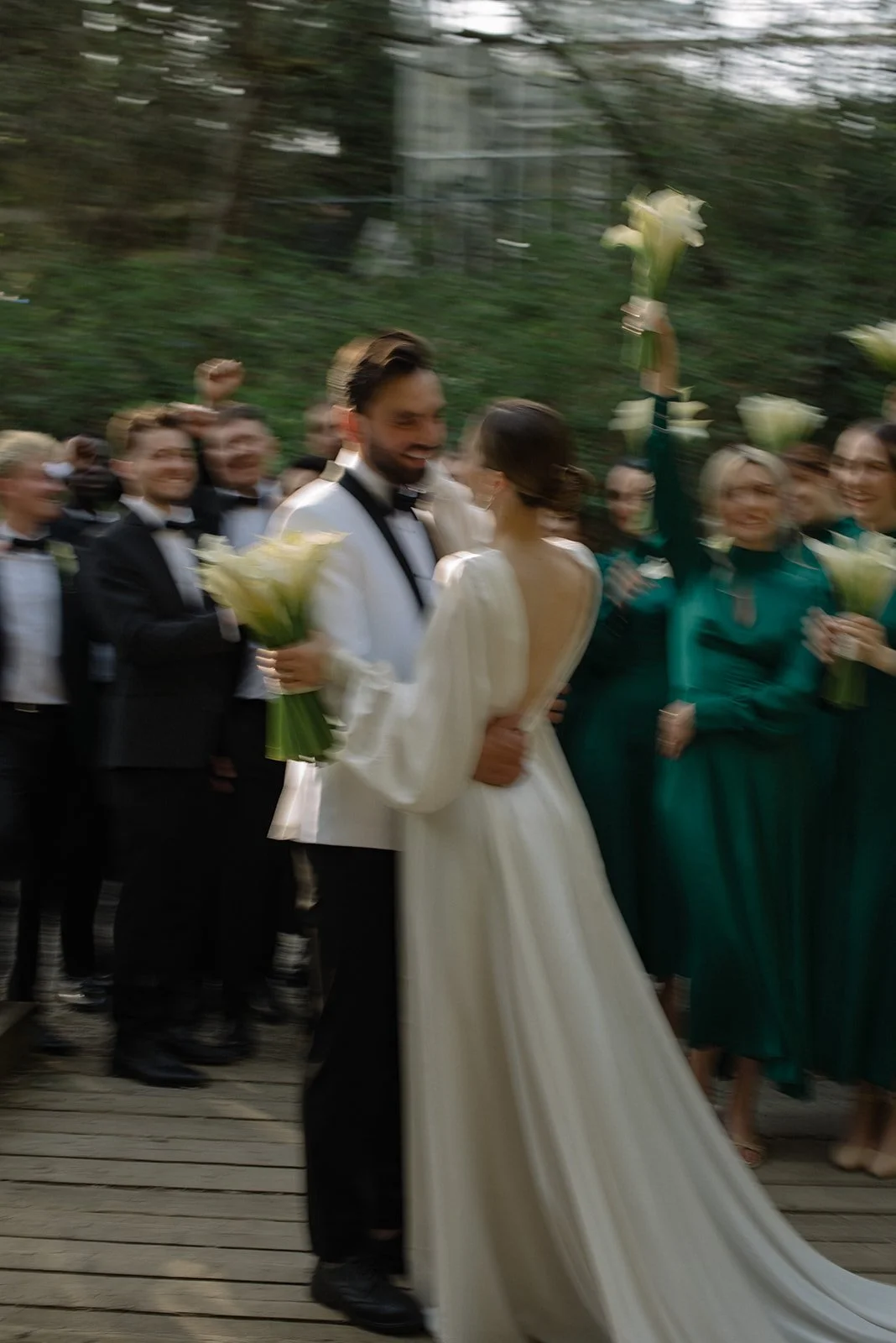
How to Build Your Wedding Day Timeline
Your wedding day timeline is one of the most important things to get right. A well-planned schedule means your day flows naturally, nothing feels rushed, and you actually get to be present for the moments that matter most. A poorly planned one means the opposite.
This guide will walk you through building a timeline that works for your day — from getting ready through to the last dance. By the end you'll have a solid draft ready to refine with your photographer and other vendors.

Do you want a first look?
The first question to answer is whether you'd like a first look — the moment you see each other privately before the ceremony, rather than for the first time at the altar.
A first look has a few practical advantages. It allows you to complete most of your couple and wedding party portraits before the ceremony, which significantly shortens the gap between your ceremony and reception. It also gives you a quiet, private moment together before the day gets busy — and if you'd like to exchange personal vows privately, this is a natural time to do that.
That said, if you've always imagined seeing each other for the first time at the end of the aisle, that moment is irreplaceable. There's no right or wrong answer — just the one that feels right for you.
Plan your first look approximately two hours before your ceremony, ideally close to where you're getting ready to minimize travel.
The two basic timeline structures:
Once you've decided on a first look, your day will follow one of these two structures:
With a first look:
Groom Getting Ready
Bride Getting Ready
First Look + Couple Photos
Wedding Party
Ceremony
Family Photos
Reception
Without a first look:
Groom Getting Ready
Bride Getting Ready
Ceremony
Family Photos
Wedding Party
Couple Photos
Reception
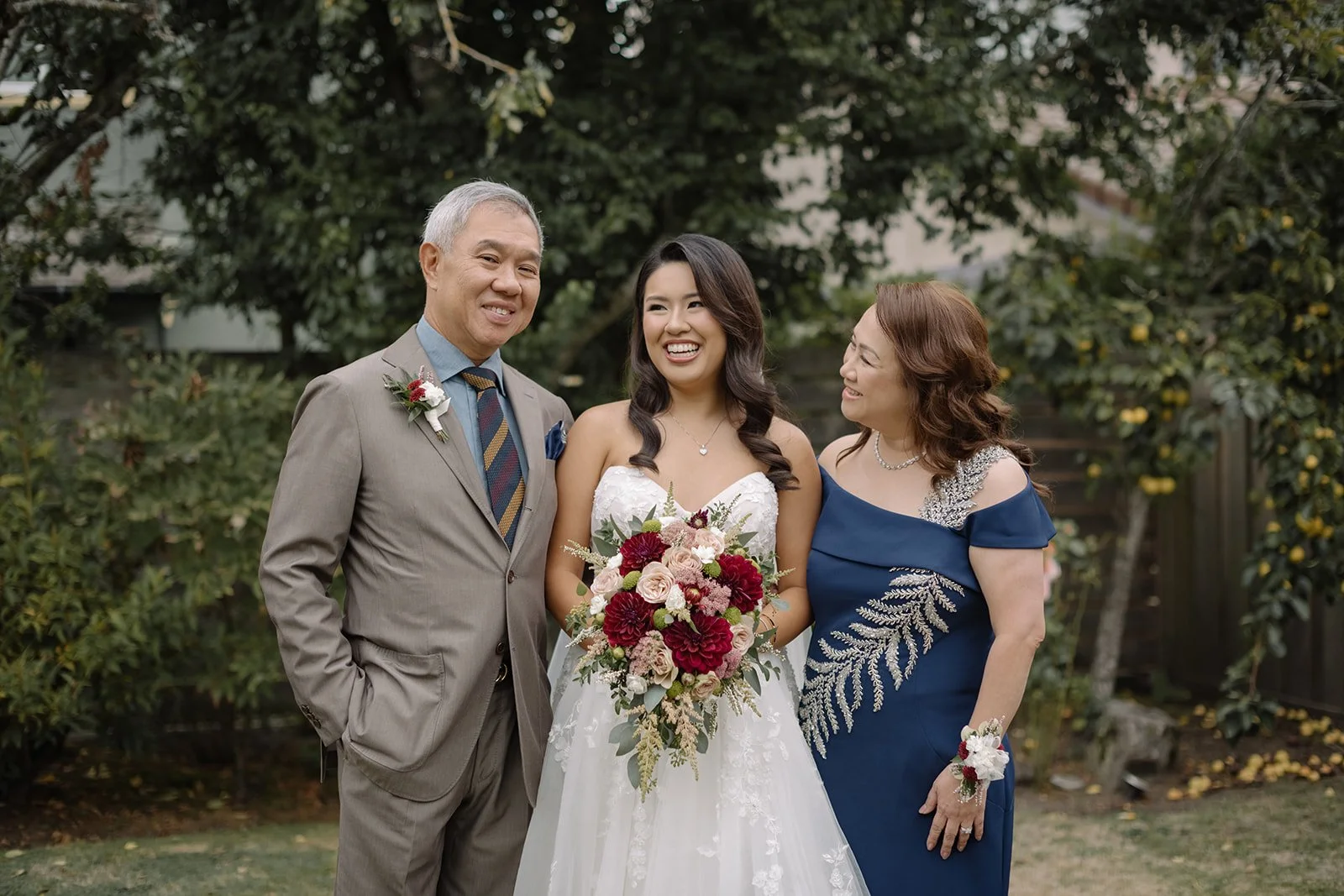
Working out the timing:
Start by identifying any fixed points in your day — the time you have access to your ceremony or reception venue, your dinner service time, or a specific time you want for golden hour portraits. In Vancouver, sunset times vary significantly across the year, so if you're planning a winter wedding and want that warm late-afternoon light, your timeline needs to be built around it.
Once you have your fixed points, work backwards and plug in the following time allotments:
Groom Getting Ready: 30-45 minutes
Bride Getting Ready: 1-1.5 hours
First Look + Couple Photos: 1 hour
Wedding Party: 45 minutes
Ceremony: 15-45 minutes depending on your ceremony style
Family Photos: 30-45 minutes
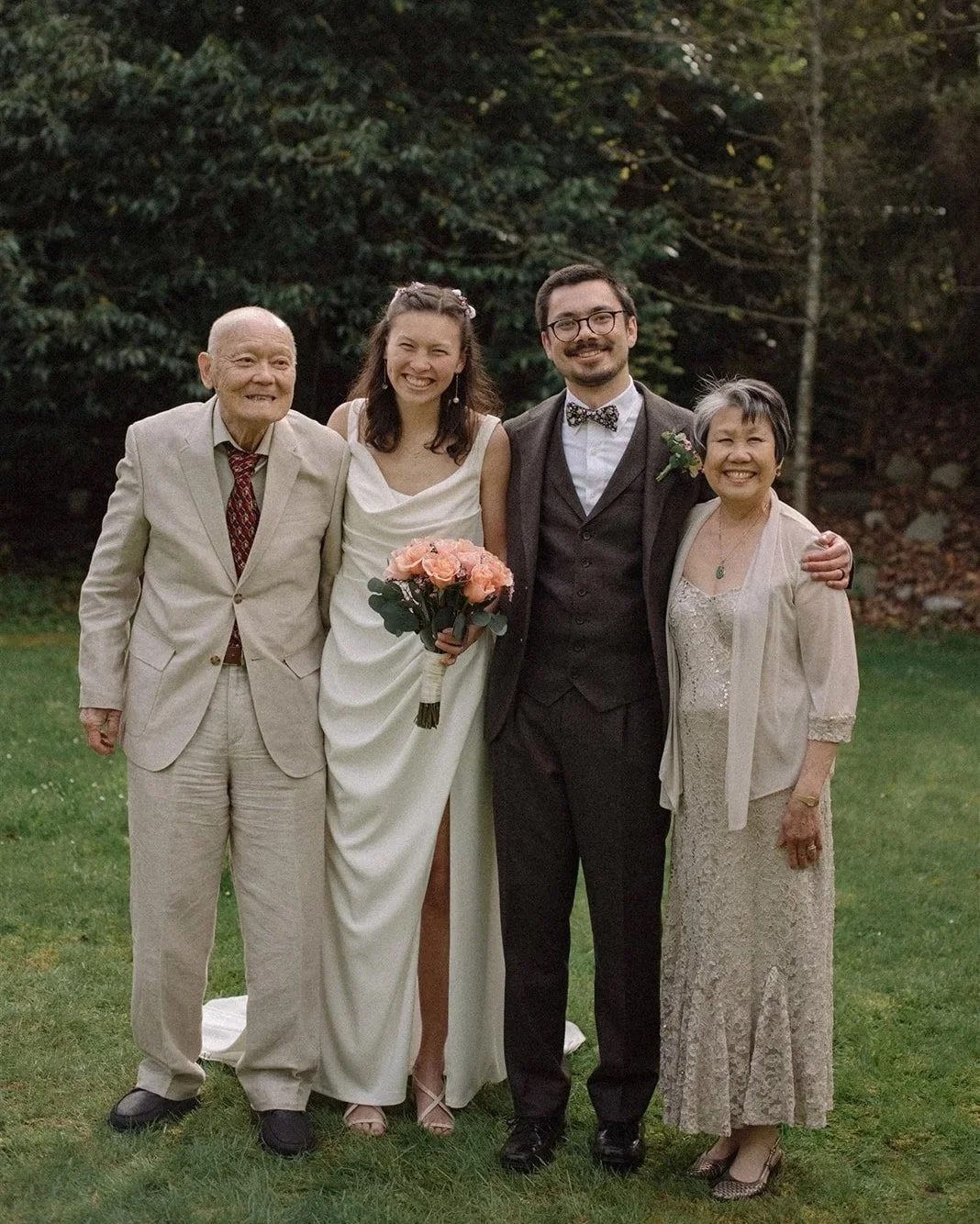


The Reception:
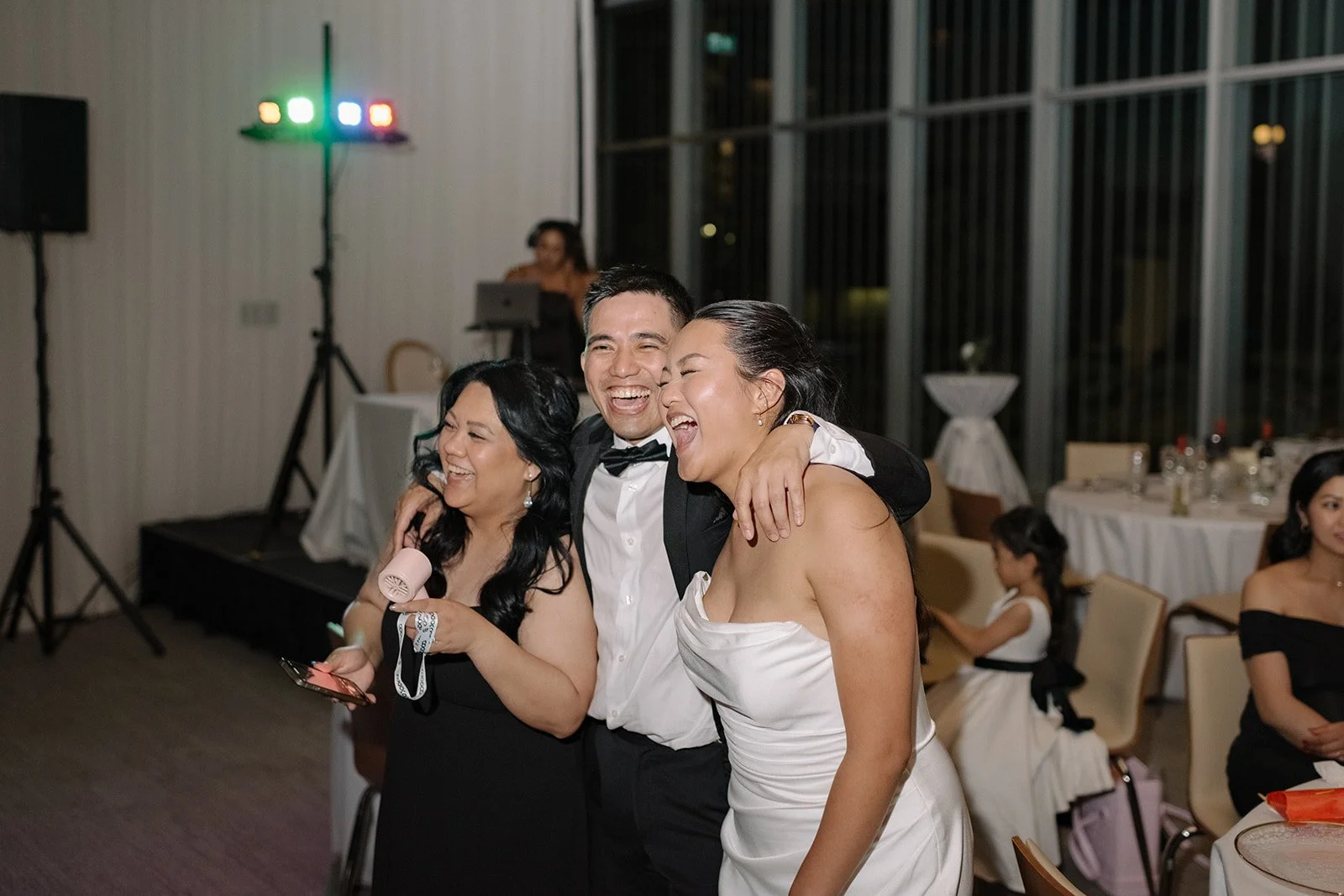
Once your ceremony and portraits are done, the rest of the day is yours to enjoy. A typical reception runs 4 to 5 hours and includes:
Cocktail hour: 1 hour — if you did a first look and completed most of your portraits beforehand, you may be able to join your guests for part or all of this rather than stepping away for photos
Dinner: 1.5 to 2 hours
Speeches: 30 to 45 minutes — plan for roughly 5 minutes per speaker
First dance and parent dances: 15 to 20 minutes
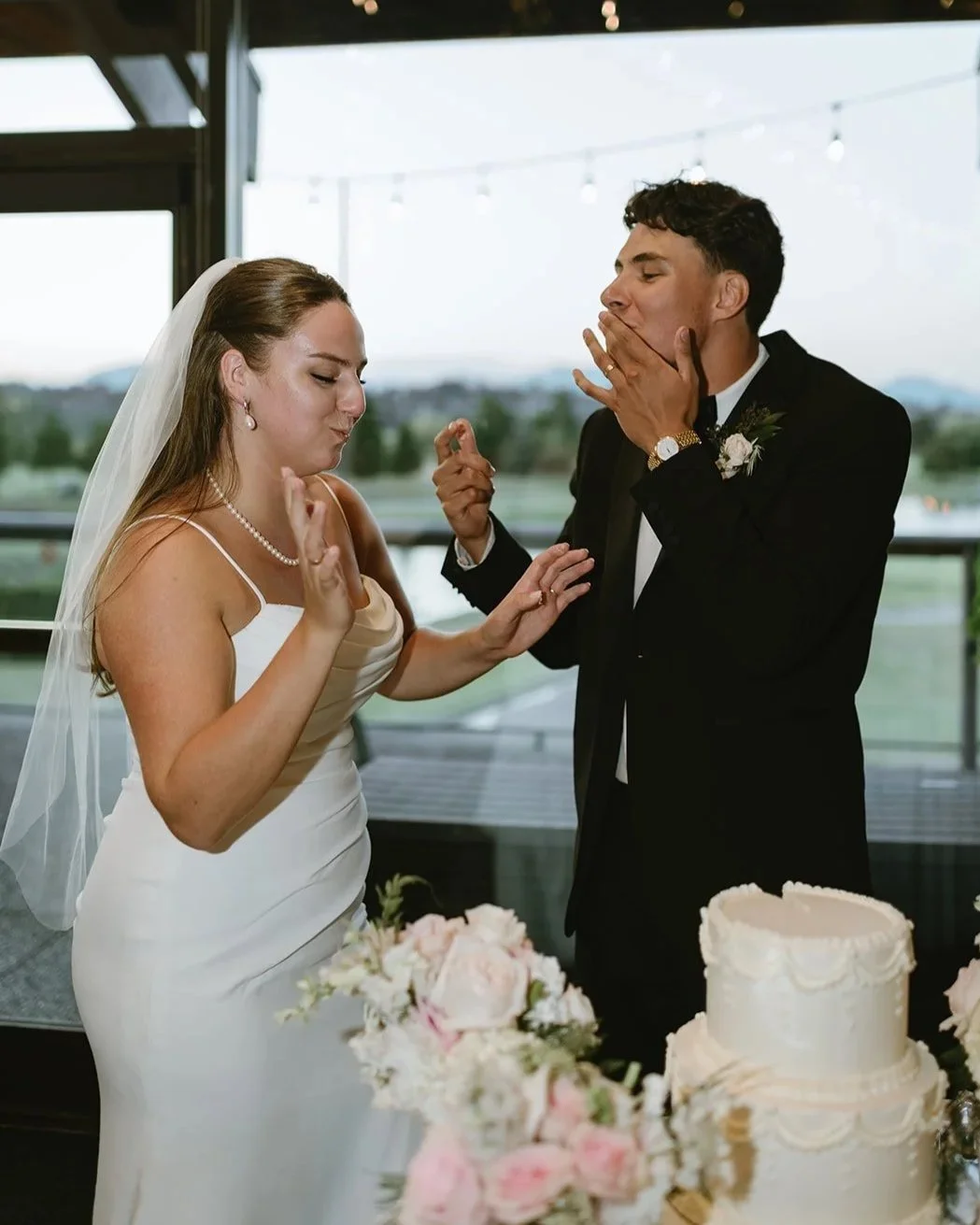
Cake cutting: 10 to 15 minutes
Open dancing: remainder of the evening
A good rule of thumb — the more guests you have, the more time you'll want to build in for mingling. A 50-person wedding moves very differently than a 150-person one, and trying to connect with everyone you love in a single evening goes faster than you'd expect.
If there's anything else you'd like to include — a special performance, a slideshow, a cultural tradition, a sparkler exit — add it to your list and assign it a realistic time slot. These personal touches are what make your reception feel like yours, so make sure they have the space they deserve.
If you'd like a golden hour portrait session — a short escape with your photographer as the sun goes down — plan for 15 to 20 minutes during the transition between dinner and dancing. These are often some of the most beautiful images of the day.

Don't forget buffer time:
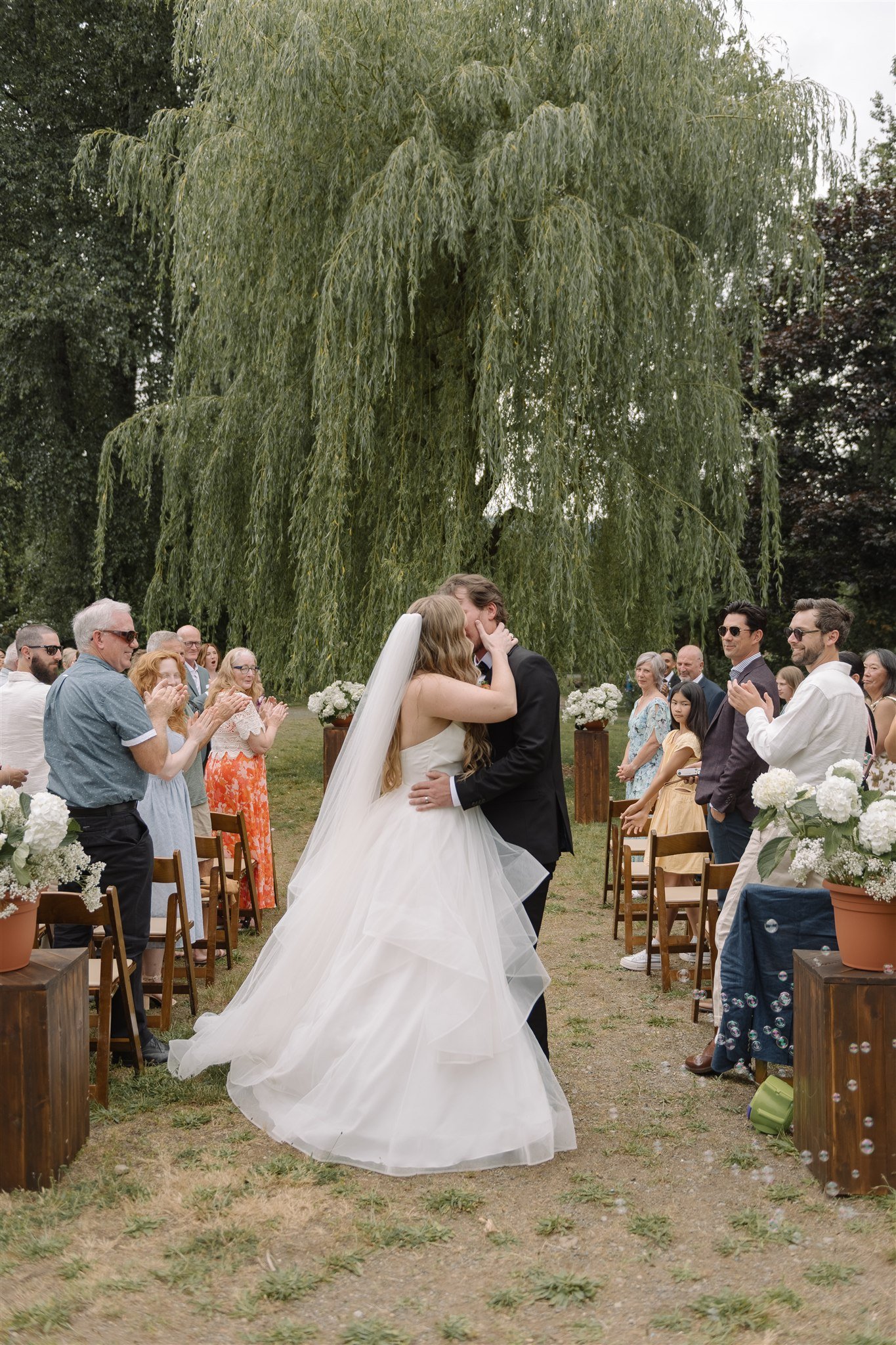
Build 10 to 15 minutes of buffer time into your schedule wherever there's a location change. This accounts for travel, traffic, and the natural pace of a wedding day — things rarely run exactly on time, and that's okay. Buffer time means a small delay doesn't cascade into a rushed afternoon.
If your wedding party is getting ready at a separate location, give them a clear heads up to pack as they go rather than all at once at the end.
Closing:
And just like that, you have a working draft of your Vancouver wedding day timeline. Every wedding is different, and once you've booked your photographer, florist, and other vendors, you'll be able to refine the details together.
If you're looking for a Vancouver wedding photographer who will help you build a thoughtful, unhurried timeline from the start, I'd love to hear about your plans.